







Need Professional Help with Addiction?
Behavioral Health FAQs
Table of Contents
Key Points
- Freebasing is a method of drug use involving chemically converting a substance to its base form and inhaling the vapors for rapid, intense effects.
- This cocaine smoking method delivers drugs to the brain faster than other routes, creating higher addiction potential and greater health risks.
- Freebasing differs from smoking crack cocaine in the chemical preparation process, though both involve inhaling drug vapors.
- The process carries serious dangers, including respiratory damage, heart attack, stroke, overdose, and severe addiction.
If you’ve heard the term “freebasing” and wondered what it means, you’re not alone. Freebasing is a high-risk method of using certain drugs—most commonly cocaine—that can cause serious health, addiction, and legal consequences. Understanding this process is key to recognizing its dangers.
Understanding what is freebasing drugs helps you recognize the serious risks associated with this method of substance use.
Freebasing refers to a specific way of preparing and using certain drugs, most commonly cocaine, that creates an intense high by delivering the substance rapidly to the brain. This article explains the definition of freebasing, how the process works, why people use this method, and the significant health, addiction, and legal dangers it presents.
What Is Freebasing?
Definition and Origin
Freebasing is a method of consuming certain drugs in their “freebase” or pure alkaloid form rather than as a salt. To define freebase, it’s helpful to understand that many drugs are manufactured as salt compounds, which are stable powders. The freebase form is the drug’s pure chemical base, which has a lower melting point and can be vaporized for inhalation [1].
The term became widely known in the 1970s and 1980s in connection with cocaine use. Freebasing cocaine involves converting cocaine hydrochloride powder into its base form through a chemical process, then heating it to produce vapors that are inhaled.
Freebasing Drugs vs Other Drug Use
What is freebasing drugs compared to other methods? The key difference lies in both the chemical preparation and the route of administration. When people snort cocaine powder, they’re using the salt form, which absorbs relatively slowly. Freebasing specifically refers to converting drugs to their base form and inhaling the vapors produced when heated. This distinguishes freebasing from simply smoking a substance. The chemical conversion process creates a form of the drug that can be effectively vaporized and inhaled for extremely rapid absorption through the lungs.
How Is Freebasing Done?
The Process Explained
Freebasing involves converting a drug from its salt form to its base form. For cocaine, this typically involves mixing cocaine hydrochloride powder with a base substance like ammonia, then adding a solvent such as ether. Through this chemical process, the cocaine separates from the hydrochloride, producing freebase cocaine that can be dried and heated. Once prepared, the freebase substance is placed on a heat source or in a pipe. Heating it produces vapors that are inhaled directly into the lungs, reaching the brain within seconds. This preparation method requires handling volatile, flammable chemicals, which adds significant danger.
Common Drugs Associated With Freebasing
Freebasing cocaine represents the most common application of this method. Methamphetamine can also be freebased, though it’s more commonly smoked in its already-prepared crystal form. Heroin has historically been prepared as freebase for smoking. However, not all drugs can be effectively freebased; for example, synthetic club drugs like MDMA (ecstasy/molly) are almost exclusively taken orally in pill or powder form rather than converted for inhalation.
Why This Method Is Used
People choose freebasing for the rapid onset of effects it produces. When drugs reach the brain within seconds, they create an extremely intense rush or high. The speed of onset also means the high fades quickly, often within minutes. This creates a powerful desire to use again immediately, establishing a pattern of repeated use that accelerates addiction development.
Why Is Freebasing Risky?
Pharmacological Risks
The rapid delivery of drugs to the brain through freebasing creates significant dangers. When a large amount of a substance like cocaine floods the brain in seconds, it creates severe stress on the cardiovascular and nervous systems. The speed and intensity of effects make addiction more likely. Your brain’s reward system responds more powerfully to rapid drug delivery, accelerating the development of compulsive use patterns and dependence.
Physical Preparation Risks
The chemical process of creating freebase substances involves serious dangers. Solvents like ether are highly flammable and can cause explosions if exposed to heat or flame. People have suffered severe burns and property damage from fires during freebasing preparation. Chemical burns from handling caustic substances present another risk. Additionally, the final product often contains impurities and residual chemicals that create health hazards when inhaled.
Legal and Environmental Risk
The chemicals used in freebasing preparation are often controlled or illegal to possess. Law enforcement can bring charges related to possession of drug paraphernalia and precursor chemicals. The preparation process creates environmental hazards and fire risks that endanger neighbors and first responders.
What Dangers Come With Freebasing?
Health Dangers
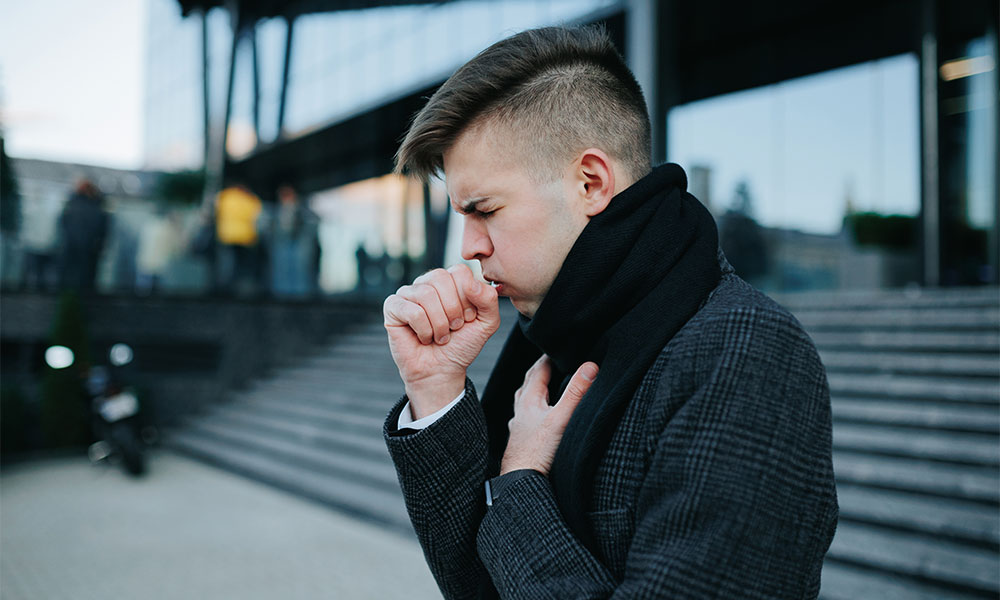
Freebasing creates immediate and long-term health risks. The lungs suffer damage from inhaling hot chemical vapors, leading to respiratory issues like irritation, chronic cough, breathing difficulties, and potentially permanent lung damage [2]. Cardiovascular dangers include dramatically increased heart rate and blood pressure. What does it mean to freebase cocaine in terms of heart health? It means putting extreme stress on your cardiovascular system [3]. Heart attacks and strokes occur in people of all ages who freebase [4]. Acute toxicity and overdose represent serious risks with every use. Overdose symptoms include seizures, extreme agitation, chest pain, difficulty breathing, and loss of consciousness.
Addiction and Dependence
The addiction potential of freebasing exceeds that of other methods of using the same substances. The rapid, intense high followed by a quick comedown creates powerful cravings [5]. Many people describe feeling compelled to continue using repeatedly, unable to stop despite wanting to. Physical and psychological dependence develop quickly, creating an addiction pattern that’s extremely difficult to break without professional help.
Psychological and Behavioral Risks
Freebasing causes significant psychological effects. Anxiety and paranoia are common, sometimes reaching severe levels. People may experience hallucinations and delusions. Impulse control deteriorates with regular use. The compulsive need to use again and again demonstrates how freebasing undermines rational decision-making.
Social and Legal Consequences
Legal consequences of freebasing are serious. Possession of cocaine or methamphetamine can result in criminal charges, incarceration, fines, and a permanent criminal record. Social consequences include damaged relationships, job loss, financial problems, and housing instability.
Freebasing vs Smoking Crack vs Other Terms
Understanding the distinctions between related terms helps clarify what freebasing specifically means.
| Method | Preparation | Form | Administration |
| Freebasing Cocaine | Chemical conversion using ether or ammonia | Freebase cocaine (pure base) | Heating and inhaling vapors |
| Smoking Crack | Cocaine cooked with baking soda and water | Crack cocaine rocks | Heating and inhaling vapors |
| Snorting | No chemical conversion | Cocaine hydrochloride powder | Nasal insufflation |
| Injecting | Dissolving in water | Cocaine hydrochloride solution | Intravenous injection |
Freebasing refers specifically to the chemical conversion process using solvents to create pure freebase. Smoking crack involves a simpler preparation that produces cocaine base in rock form but doesn’t involve the dangerous solvents used in traditional freebasing. Both deliver cocaine rapidly through inhalation, but the preparation differs.
Harm Reduction and Safer Alternatives
While no method of using cocaine or other illicit substances is safe, ever attempt to prepare freebase substances yourself. The chemical risks are severe and unpredictable.
When to Get Help
Call 911 if you or someone else experiences chest pain, difficulty breathing, seizures, loss of consciousness, extreme confusion, or stroke symptoms after freebasing. Signs that addiction treatment is needed include inability to stop using despite wanting to, organizing your life around obtaining and using drugs, damaged relationships or job loss, and continuing to use despite negative consequences. The Substance Abuse and Mental Health Services Administration (SAMHSA) National Helpline (1-800-662-4357) provides free, confidential information and referrals 24/7.
Legal and Public Health Context
Cocaine and methamphetamine are Schedule II controlled substances under federal law, with a high potential for abuse, which may lead to severe psychological and physical dependence and are illegal to possess without a valid prescription. Freebasing these substances violates federal and state laws, with penalties including imprisonment and fines. Public health authorities identify cocaine use, particularly smoking and freebasing, as significant concerns due to higher rates of addiction, risk of overdose, and associated health problems.
Conclusion
Freebasing is a dangerous method of drug use involving chemical conversion of substances to their base form and inhalation of vapors for rapid, intense effects. This cocaine smoking method creates severe health risks, including heart attack, stroke, respiratory damage, and overdose [6]. The addiction potential is severe, with the rapid onset of effects creating powerful compulsive use patterns. Beyond health dangers, freebasing involves risky chemical preparation that can cause burns, explosions, and toxic exposure.
At The Garden in Cherry Hill, New Jersey, we understand that substance use challenges require compassionate, comprehensive support. Our outpatient services provide individualized treatment options for cocaine addiction and other substance use disorders, offering partial care and intensive outpatient programs. We provide dual diagnosis treatment for co-occurring mental health conditions, trauma-informed therapy, individual counseling, group therapy, and family therapy. Contact The Garden to learn how our whole-person approach can help you move toward health and healing.
Frequently Asked Questions
Sources
[1] Drug Enforcement Administration, Drug & Chemical Evaluation Section. (n.d.). Cocaine. Retrieved from: https://deaecom.gov/drug_chem_info/cocaine.pdf. Accessed on January 12, 2026.
[2] Tashkin, D. P., Khalsa, M. E., Gorelick, D., Chang, P., Simmons, M. S., Coulson, A. H., & Gong, H., Jr. (1992). Respiratory effects of cocaine freebasing among habitual cocaine users. Chest, 102(2), 486–491. Retrieved from: https://pubmed.ncbi.nlm.nih.gov/1486094/. Accessed on January 12, 2026.
[3] Bachi, K., Mani, V., Jeyachandran, D., Fayad, Z. A., Goldstein, R. Z., & Alia-Klein, N. (2019). Acute and chronic effects of cocaine on cardiovascular health. International Journal of Molecular Sciences, 20(3), 584. Retrieved from: https://www.mdpi.com/1422-0067/20/3/584. Accessed on January 12, 2026.
[4] Drug Enforcement Administration. (n.d.). Cocaine (fact sheet). Retrieved from: https://www.dea.gov/factsheets/cocaine. Accessed on January 12, 2026.
[5] National Institute on Drug Abuse. (n.d.). Mind Matters: Teacher’s Guide. Retrieved from: https://nida.nih.gov/research-topics/parents-educators/mind-matter-series/teachers-guide. Accessed on January 12, 2026.
[6] Cheng, Y.-C., Ryan, K. A., Qadwai, S. A., Shah, J., Sparks, M. J., Wozniak, M. A., … Kissela, B. M. (2016). Cocaine use and risk of ischemic stroke in young adults. Stroke, 47(4), 918–922. Retrieved from: https://pmc.ncbi.nlm.nih.gov/articles/PMC6128285/. Accessed on January 12, 2026.
The Garden Recovery & Wellness’ Editorial Policy
The editorial policy at The Garden Recovery and Wellness is a standard all staff and contributors are committed to upholding. It’s defined by the quality, integrity, accuracy, and transparency of all resources, curriculum, and educational material produced by this organization. This standard supports an internal cause to promote recovery awareness and reduce harm in the recovery community.
Read More About Our Process