






Need Professional Help with Addiction?
Behavioral Health FAQs
Table of Contents
Key Points
- MDMA can be detected in urine for 2-4 days, in blood for 1-2 days, and in hair for up to 90 days or longer.
- The duration of MDMA's effects (3-6 hours) is much shorter than how long it remains detectable in your system.
- Factors like dosage, frequency of use, metabolism, and body composition affect MDMA detection windows.
- Understanding detection times is important for drug testing, medical emergencies, and making informed health decisions.
MDMA is not always included in standard 5-panel drug tests. Understanding how different substances remain in the body can be helpful when evaluating drug testing timelines, which we discuss further in our guide on how long substances stay in your system.
which typically screen for marijuana, cocaine, opiates, amphetamines, and PCP. However, because MDMA is chemically related to amphetamines, it may trigger a positive result on the amphetamine portion of a standard panel. Extended panels (10-panel or 12-panel tests) and specialized screenings commonly test for MDMA specifically.
Depending on the type of test used, the general detection windows for MDMA are:
- Urine: 2 to 4 days after last use.
- Blood: 1 to 2 days after last use.
- Saliva (Oral Fluid): 1 to 2 days after last use.
- Hair: Up to 90 days (like most other substances).
Detection times can vary based on individual factors like metabolism, body mass, hydration levels, and how heavily or frequently the drug was used.
What Is MDMA (Ecstasy/Molly) and How Long Do Its Effects Last?
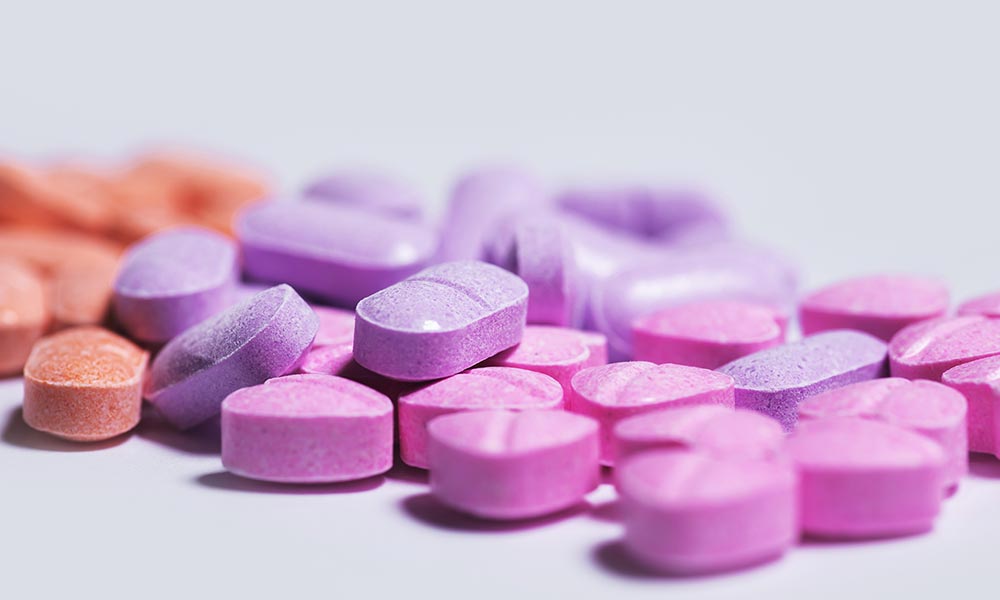
MDMA, commonly known as molly (powder/crystal form) or ecstasy (pressed pill form), is a synthetic drug that acts as both a stimulant and a hallucinogen. It alters mood and behavior by influencing three key chemical messengers in the brain: serotonin, dopamine, and norepinephrine.
Because of its amphetamine-like and psychedelic properties, MDMA produces feelings of increased energy, pleasure, emotional warmth, and distorted sensory perceptions. Users often experience a heightened sensitivity to sounds, touch, and smell.
When taken orally, the timeline of these effects [1] generally follows this schedule:
- Onset: 30–45 minutes after ingestion.
- Peak: 1–2 hours.
- Duration: 3–6 hours total (depending on the dose and individual factors).
After the initial effects wear off, many people experience a “comedown” phase that can last for several days. As the brain’s chemical messengers deplete and attempt to restabilize, users may struggle with fatigue, difficulty concentrating, depression, and anxiety.
Is MDMA Safe?
According to the National Institute on Drug Abuse (NIDA), MDMA (commonly known as ecstasy or molly) is not considered safe [1]. The drug can interfere with the body’s ability to regulate temperature, which may lead to dangerous overheating, dehydration, or electrolyte imbalances, particularly in crowded or physically active environments. MDMA also increases heart rate and blood pressure, raising the risk of cardiovascular complications. In some cases, use has been linked to liver, kidney, and heart failure. NIDA notes that the drug can affect brain systems involved in mood, sleep, pain, and cognition, and repeated use may impair memory and learning. Additionally, substances sold as “molly” are often adulterated with other harmful drugs, significantly increasing the risk of overdose and unpredictable effects.
Is MDMA Addictive?
NIDA reports that MDMA can be addictive, though not all users develop a substance use disorder. The drug increases dopamine release, which reinforces drug-taking behavior. Over time, some individuals may develop tolerance and continue using MDMA despite negative physical, psychological, or social consequences.
Detection Windows: Urine, Blood, Hair, and Saliva
How Long Does MDMA Stay in Urine?
Urine testing is the most common method for detecting MDMA use [2]. In most cases, MDMA can be detected in urine for approximately 2-4 days after use. However, this window can vary based on several factors. including how much was taken and how frequently someone uses the drug.
For occasional users who take a single dose, detection is typically possible for 2 to 3 days. For people who use MDMA more frequently or in higher doses, the detection window may extend to 4 days or occasionally longer. Specialized or more sensitive tests may be able to detect MDMA metabolites for an extended period.
The metabolite MDA (into which MDMA breaks down) can also be detected in urine tests for a similar timeframe. Testing facilities look for both MDMA and its metabolites when screening for MDMA use.
What About Blood or Hair?
Blood Testing
Blood tests [3] for MDMA have a shorter detection window than urine tests. MDMA is typically detectable in blood for approximately 1-2 days after use. Blood testing is less common for routine drug screening because the detection window is brief and the collection process is more invasive. However, blood tests may be used in specific situations, such as accident investigations or medical emergencies, in which recent use needs to be confirmed.
Hair Testing
Hair follicle testing [4] provides the longest detection window for MDMA. The drug can be detected in hair for up to 90 days (about 3 months) or even longer, depending on hair growth rate.
Saliva Testing
Saliva tests [5] can detect MDMA for approximately 1-2 days after use. Like blood tests, saliva testing offers a relatively short detection window. These tests are sometimes used at roadside checks or in situations where non-invasive, immediate testing is needed.
What Affects Detection Duration?
Dosage and Frequency of Use
Higher doses of MDMA take longer for your body to process and eliminate. Similarly, frequent use leads to accumulation in your system, extending the detection window. Someone who uses MDMA regularly will have a longer detection period than someone who uses it occasionally.
Metabolism and Individual Factors
Your metabolic rate significantly impacts how quickly your body processes MDMA. Factors that affect metabolism include age (younger people typically metabolize drugs faster), body composition (body fat percentage can influence drug storage), liver and kidney function (these organs process and eliminate drugs), and overall health status.
Body Composition and Hydration
While MDMA is water-soluble, body composition still plays a role in how it’s processed. Additionally, hydration levels and urine pH can affect how quickly MDMA is excreted through urine. However, it’s important to note that attempting to manipulate these factors to “flush out” MDMA can be dangerous and is not effective.
Method of Ingestion and Drug Purity
The way MDMA is taken (oral ingestion, snorting, etc.) can influence how quickly it’s absorbed and metabolized. Additionally, ecstasy often contains other substances or varying levels of impurities, which can affect both the effects and detection windows.
Common Myths About Speeding Up Elimination
Many people search for ways to clear MDMA from their system faster. However, there’s no safe, guaranteed method to shorten detection windows significantly. Drinking excessive water, using detox products, or taking certain supplements are ineffective or even dangerous.
Why Detection Windows Matter
Understanding how long MDMA stays in your system has several practical implications. People seek this information for various reasons, and knowing the facts helps you make informed decisions.
Drug Testing Contexts
The most common reason people ask about MDMA detection is related to drug testing. Workplace drug screenings, pre-employment testing, random testing in certain professions, legal probation or court-ordered testing, athletic competitions, and academic programs may all require drug testing.
Medical Situations
In medical emergencies, healthcare providers may need to know if MDMA is in someone’s system. This information can be crucial for proper treatment, especially if the person is unconscious or unable to communicate. MDMA can interact dangerously with certain medications and medical treatments, making accurate detection important for patient safety.
Legal Implications
In situations involving driving under the influence, accidents, or legal proceedings, MDMA detection can have significant consequences.
Personal Health Awareness
Even if you’re not facing a drug test, understanding how long MDMA stays in your system provides valuable health information. It helps you recognize that your body continues processing the drug well after you feel normal, and that certain health risks may persist during this period.
Safe Practices and When to Seek Help
While this guide provides factual information about MDMA detection, it is also important to address safety and health concerns. MDMA carries significant risks, including dehydration, overheating, cardiovascular strain, and potential long-term effects on brain chemistry and mood regulation.
Harm Reduction Information
If someone has used MDMA, certain practices can reduce immediate risks: staying hydrated (but not over-hydrating), remaining in a cool environment, avoiding mixing with other substances (especially alcohol or other stimulants), having trusted people nearby, and being aware of signs of medical emergency (chest pain, severe overheating, seizures, loss of consciousness).
After-Effects and Recovery
The days following MDMA use often bring uncomfortable after-effects, including mood changes, fatigue, difficulty concentrating, anxiety, and sleep disturbances. These symptoms are part of how your brain recovers from the drug’s impact on serotonin and other neurotransmitters. Taking care of your health during this period (rest, nutrition, hydration) supports recovery.
When to Seek Professional Help
There is no safe MDMA use; all situations are risky. Consider reaching out for professional support if you’re using MDMA frequently, finding it difficult to stop or cut back, experiencing negative impacts on work, relationships, or responsibilities, dealing with mental health conditions, including those related to use, or worrying about dependence.
At The Garden in Cherry Hill, New Jersey, we understand that substance use often intersects with mental health challenges. Our comprehensive, individualized addiction treatment approach honors the whole person. We offer intensive outpatient care, partial care treatment programs, dual-diagnosis treatment, and trauma-informed therapy designed to address both substance use and underlying mental health concerns.
Our team provides individual therapy, group therapy, and family therapy to support your recovery journey. We recognize that seeking help takes courage, and we’re here to provide compassionate, professional care every step of the way. If you’re concerned about your MDMA use or that of someone you know, we invite you to reach out.
Frequently Asked Questions
Sources
[1] National Institute on Drug Abuse. (2024, April). MDMA (Ecstasy/Molly). https://nida.nih.gov/drugs-abuse/mdma-ecstasymolly
[2] Verstraete, A. G. (2004). Detection times of drugs of abuse in blood, urine, and oral fluid. Therapeutic Drug Monitoring, 26(2), 200–205. https://pubmed.ncbi.nlm.nih.gov/15228165/
[3] Substance Abuse and Mental Health Services Administration. (2012). Clinical Drug Testing in Primary Care (TAP 32). https://store.samhsa.gov/sites/default/files/sma12-4668.pdf
[4] U.S. Department of Health and Human Services, Drug Testing Advisory Board. (2014, June 10). DTAB Open Session Proceedings (hair testing overview). https://www.samhsa.gov/sites/default/files/meeting/documents/dtab_open_6_10_2014_proceedings.pdf
[5] Milman, G., Barnes, A., Schwope, D. M., Schwilke, E., Darwin, W. D., & Huestis, M. A. (2011). MDMA and metabolite disposition in expectorated oral fluid after controlled oral MDMA administration. Therapeutic Drug Monitoring, 33(4), 473–482. https://pubmed.ncbi.nlm.nih.gov/21860342/
The Garden Recovery & Wellness’ Editorial Policy
The editorial policy at The Garden Recovery and Wellness is a standard all staff and contributors are committed to upholding. It’s defined by the quality, integrity, accuracy, and transparency of all resources, curriculum, and educational material produced by this organization. This standard supports an internal cause to promote recovery awareness and reduce harm in the recovery community.
Read More About Our Process