






Need Professional Help with Addiction?
Behavioral Health FAQs
Table of Contents
Key Points
- Ketorolac has a half-life of approximately 4 to 6 hours, meaning the body eliminates half of the drug within this timeframe.
- Most ketorolac clears from your system within 24 to 48 hours after your last dose, though traces may be detectable longer.
- Kidney function significantly affects how long ketorolac stays in your system since the kidneys primarily eliminate this medication.
- Pain relief from ketorolac typically lasts 4 to 6 hours, which is shorter than the complete elimination time.
- Factors including age, liver and kidney health, dosage, hydration, and other medications influence ketorolac clearance rates.
Ketorolac is a non-steroidal anti-inflammatory drug (NSAID) used to relieve moderate to severe pain. Unlike opioids, ketorolac works by reducing inflammation, making it similar to other NSAIDs such as meloxicam, ibuprofen, and naproxen. This class of drugs also includes over-the-counter options like ibuprofen and naproxen. Ketorolac is available in oral tablets, nasal spray, and eye drops. It has a half-life of approximately 4 to 6 hours, which means that within this amount of time, half the amount of ketorolac present in the body has been eliminated [2]. Within 24 to 48 hours after the last dose, the majority of it will be eliminated from the body, although trace amounts may remain longer for some individuals.”
Pain relief from ketorolac usually lasts for 4 to 6 hours, which is substantially shorter than the amount of time that it takes to completely eliminate ketorolac from the body [3].
Factors That Affect How Long Ketorolac Stays in Your Body
Age
Although older adults can take medications that are given to younger adults, one thing that does happen to older individuals is that their metabolism may be different than that of a younger person [4]. The changes caused by aging, such as kidney function and liver metabolism deficits, can cause the elimination time for ketorolac to be prolonged. The average amount of time it takes for the half-life of ketorolac will be longer than four (4) to six (6) hours because of the delayed elimination time associated with advancing age.
Kidney Function
If you have healthy, normal kidney function, you would expect a normal elimination rate. If, however, you have poor kidney function (for instance, in the case of chronic kidney disease or acute kidney injury), your elimination rate will be much slower than that of someone with normal kidney function [2]. The seriousness of your kidney impairment will determine how long your half-life will be [4].
Liver Function
The liver also plays a role in the metabolism of ketorolac, although the contribution made by the liver is much less than the contribution made by the kidneys [5]. If you have liver disease or your liver is functioning poorly, this could affect your liver’s ability to metabolize ketorolac.
Dosage and Time of Administration
If you take 30mg of ketorolac as opposed to 10mg, the time it takes to eliminate a larger amount of ketorolac is longer than that for a smaller amount because more will need to be processed and eliminated from your body.
Interaction with Other Drugs
The duration of time ketorolac remains in the body is impacted by the number of drugs currently being used and can depend on how those drugs affect kidney function, liver enzyme metabolism, and the pathways utilized for drug elimination. It is essential that all healthcare providers are aware of all medications (prescription and over-the-counter), as well as any supplements that you are currently taking [1].
Safety and Clinical Considerations
The FDA-imposed limit of 5 days for ketorolac treatment is due to concerns for safety [1]. Use for more than 5 days substantially increases the risk of adverse effects, including kidney damage, gastrointestinal bleeding and ulcers, and cardiovascular problems [6]. Short-term use of ketorolac provides an effective amount of pain relief while minimizing risk from potential complications.
When to Contact Your Healthcare Provider
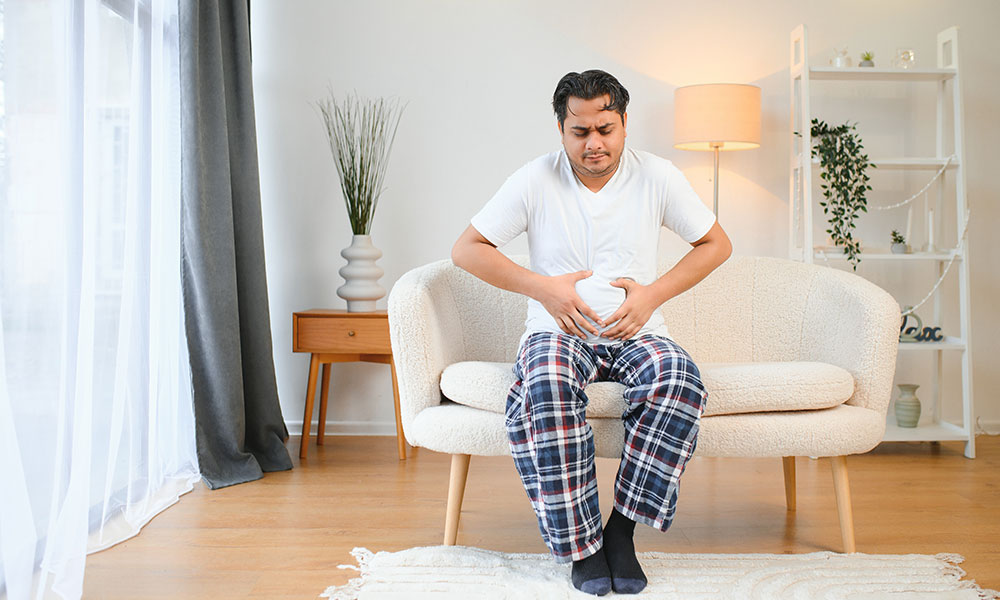
Consult your healthcare provider or seek emergency medical attention if you experience any of the following:
- Dark or bloody urine
- Significantly decreased urination
- Swelling in feet or legs
- Unusual bruising or bleeding
- Severe abdominal pain
- Black, tarry stools
These symptoms could indicate kidney damage, internal bleeding due to gastrointestinal ulcers, or other serious side effects.
Practical Tips for Patients
Take ketorolac as prescribed, not in excess of the recommended doses or duration. While taking ketorolac, drink plenty of fluids to ensure that you remain hydrated unless otherwise instructed by your healthcare provider. Good hydration supports proper kidney functioning and the efficient elimination of ketorolac.
Inform all healthcare providers about your use of ketorolac. Be sure to inform all healthcare providers about any over-the-counter medications that you are taking (i.e., supplements) so that they have a complete understanding of potential drug interactions [1].
How Long Does Ketorolac Stay in Your System?
By knowing how long ketorolac remains in the body, you will be able to safely and effectively utilize this effective pain management medication. Most patients will see a measurable effect of ketorolac (4-6 hours) after administration; however, the total elapsed time for clearance is 24-48 hours (following administration). These total elapsed times may be extended, depending on various patient-specific factors that significantly impact a patient’s ability to efficiently eliminate any drug(s) from their body.
At The Garden in Cherry Hill, NJ, it is recognized that managing pain and using medications can be extremely challenging for individuals who have experienced or are continuing to experience the effects of untreated addiction and/or are suffering from co-occurring mental health problems.
Our comprehensive outpatient services, including partial care and intensive outpatient, provide individual support in managing dual diagnosis and substance use conditions. Our treatment staff provides trauma-informed therapy on an individual basis, as well as through group therapy and family therapy. Contact The Garden to find out how we can assist you in your path to achieving optimal health and wellness.
Frequently Asked Questions - How Long Does Ketorolac Stay in Your System and How to Find Help
Sources
[1] U.S. Food and Drug Administration. (2014). Ketorolac tromethamine label (selected safety warnings and 5-day duration limit). Retrieved from: https://www.accessdata.fda.gov/drugsatfda_docs/label/2014/074802s038lbl.pdf. Accessed on January 19, 2026.
[2] Hernandez, M., & Kaye, A. D. (Updated regularly). Ketorolac. In StatPearls. StatPearls Publishing. Retrieved from: https://www.ncbi.nlm.nih.gov/books/NBK545172/. Accessed on January 19, 2026.
[3] Gillis, J. C., & Brogden, R. N. (1990). Ketorolac: A parenteral nonsteroidal anti-inflammatory drug. Drugs, 39(1), 86–109. Retrieved from: https://pubmed.ncbi.nlm.nih.gov/2275236/. Accessed on January 19, 2026.
[4] Drugs.com. (n.d.). Ketorolac: Package insert / prescribing information (kinetics in special populations table). Retrieved from: https://www.drugs.com/pro/ketorolac.html. Accessed on January 19, 2026.
[5] U.S. Food and Drug Administration. (2018). AADPAC backgrounder (ketorolac elimination/excretion and half-life information). Retrieved from: https://www.fda.gov/files/advisory%20committees/published/AADPAC-11152018-FDABackgrounder.pdf. Accessed on January 19, 2026.
[6] Strom, B. L., Berlin, J. A., Kinman, J. L., Spitz, P. W., Hennessy, S., Feldman, H., & Carson, J. L. (2000). Minimising the adverse effects of ketorolac. Drug Safety, 22(6), 487–497. Retrieved from: https://pubmed.ncbi.nlm.nih.gov/10877042/. Accessed on January 19, 2026.
The Garden Recovery & Wellness’ Editorial Policy
The editorial policy at The Garden Recovery and Wellness is a standard all staff and contributors are committed to upholding. It’s defined by the quality, integrity, accuracy, and transparency of all resources, curriculum, and educational material produced by this organization. This standard supports an internal cause to promote recovery awareness and reduce harm in the recovery community.
Read More About Our Process