






Need Professional Help with Addiction?
Behavioral Health FAQs
Recent Posts
- Can You Overdose on Lexapro (Escitalopram)?
- Is Cyclobenzaprine Addictive? Risks, Dependence, Signs of Misuse & Safe Use Guide
- Drugs That Cause Miosis: Understanding Drug Use, Eye Treatments, and More About Small Pupils
- Is Ambien a Benzo? Classification, Mechanism, and Key Differences
- Does NyQuil Make You Sleepy? Understanding the Effects and Safety
Table of Contents
Key Points
- Opioids and Miosis: Numerous reports cite opioid use as the most common cause of pinpoint pupils and as the drug class most frequently associated with miosis.
- Medication Variety: Beyond opioids, certain medications like barbiturates, specific blood pressure drugs, and eye treatments like pilocarpine are also known to cause pupil constriction.
- Emergency Indicators: Pinpoint pupils combined with sedation, slowed breathing, or an inability to wake a person indicate a life-threatening situation requiring immediate medical assistance.
- Contextual Factors: Not all small pupils result from drugs; they can also be caused by normal light responses, eye inflammation, or neurological conditions like Horner's syndrome.
When someone has miosis (small pupils), it can be scary. Many people will search for answers regarding what they have taken, how a substance has affected their body, or whether or not they have a serious medical condition. At The Garden, we know how stressful these moments can feel for those in long-term recovery and for those who are involved in managing medications on behalf of the people you know.
There are many reasons that someone may have small pupils. To better understand them, we will look at what causes them, how they are evaluated, and when you should seek medical advice.
What Is Miosis?
Miosis is the medical term for small or pinpoint pupils. The term “pinpoint pupil” is usually associated with small pupils that appear smaller than usual under normal lighting [1]. Although pinpoint pupils are most often associated with opioid substances, miosis may also be the result of other causes. The normal response of pupils to bright light is constriction [2]. However, pupils that remain constricted regardless of lighting conditions or with the presence of other symptoms are abnormal and warrant medical evaluation.
What Are Small Pupils vs. Pinpoint Pupils?
Normal pupil constriction vs. abnormal miosis
Pupils constantly change size in response to light. When you step into a bright room or go outside on a sunny day, your pupils constrict to protect the eyes. This normal response is usually symmetrical. Abnormal or persistent miosis refers to pupils that remain constricted even in dim light.
What “pinpoint pupils” means
Pinpoint pupils refer to abnormal and very small pupils that do not react as noticeably to alterations in light intensity as expected for a normal pupil [3]. Although pinpoint or constricted pupils are most commonly associated with opioids, it does not always indicate substance misuse. Therefore, it is essential to evaluate an individual based upon objective evidence.
What Drugs Cause Small Pupils (Pupil Constriction)?
People often ask what drugs cause small pupils because pupil changes can be one of the few visible signs of how a medication or substance is affecting the body.
Opioids
Numerous reports cite opioid use as the most common cause of pinpoint pupils. Opioid medications affect the central nervous system and can produce several visible physical symptoms, which are discussed further in our guide on how medications affect the body and nervous system.
And as the drug class most frequently associated with miosis. Opioids affect the central nervous system and directly alter the functioning of the brain, affecting how nerve signals are transmitted [4].
Barbiturates
Some patients may be placed on central nervous system depressants that are not opioids, such as barbiturates. Pupillary responses will vary greatly depending on the particular barbiturate ingested, the dosage, and the individual [1].
Blood Pressure Medications
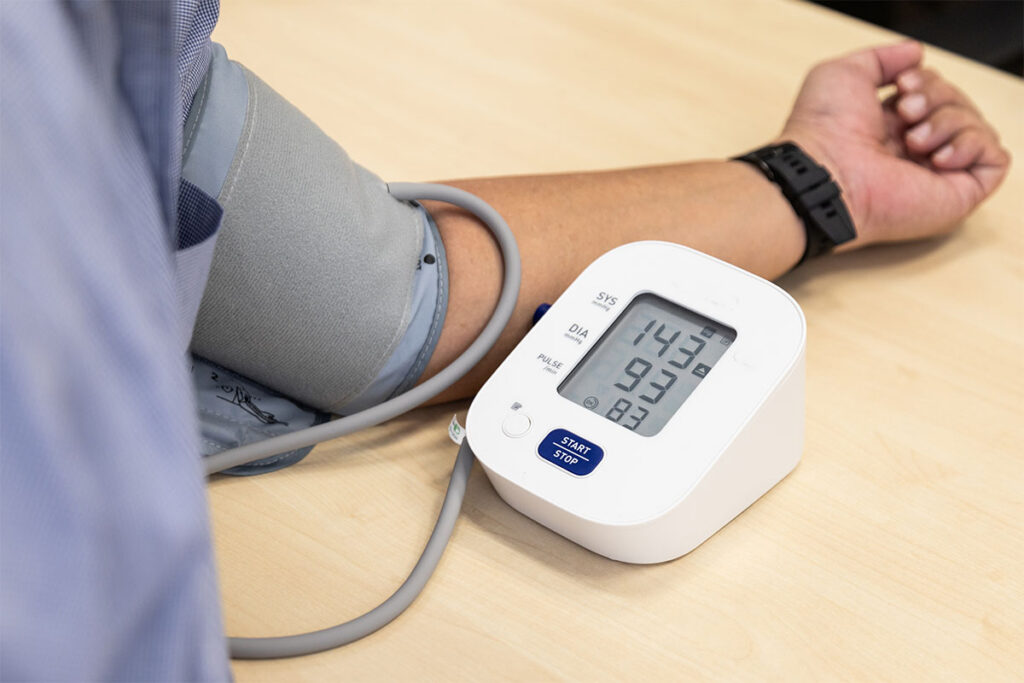
There are rare reports of specific medications to treat high blood pressure causing small pupils, although the constriction is more subtle than the effects of opioids.
Eye Treatments
Some eye drops target pupil size. Pilocarpine drops are used to treat glaucoma. In this case, miosis is clinically anticipated[5]. Due to this understanding, it may help patients to avoid unnecessary anxiety associated with the administration of eye drops.
Toxins and Environmental Exposures
Toxins can cause pupil constriction. These include organophosphates found in pesticides. and chemicals in agriculture and industrial settings [6]. If exposure to toxins is suspected, medical evaluations should be performed as soon as possible.
Why Do Certain Drugs Make Your Pupils Smaller?
The autonomic nervous system regulates pupil size. In addition, the body’s sympathetic and parasympathetic nervous systems work together with each other to allow pupils to open and close, thereby allowing patients’ pupils to react to different environments and conditions.
Therapeutic effect vs. overdose or toxicity
Constricted pupils will be a normal, expected therapeutic effect of some medications when they are taken at recommended or therapeutic doses. However, when combined with respiratory depression (shallow or markedly slowed breathing) pinpoint pupils indicate a need for immediate evaluation [2].
What Other Symptoms Occur With Drug-Induced Pupil Constriction?
It is important to assess the context and symptoms of an individual with pinpoint pupils. rather than rely solely on the size of their pupils. There are some symptom clusters that warrant concern. Extreme drowsiness, slowed breathing, confusion and a lack of responsiveness associated with opioid ingestion indicate a medical emergency [4]. There are also many side effects associated with medication use that are not as urgent, but that should still be reviewed by health care providers, such as dizziness, fatigue, blurred vision, and sensitivity to light.
Other Causes of Small Pupils That Aren’t Drugs
In addition to drug-related causes of constriction, there are medical conditions associated with miosis:
- Inflammation and injury: Inflammation and injury to the eye region can cause pupil constriction.
- Horner’s syndrome: This condition frequently affects one side of the face and may also result in one pupil being smaller than the other.
- Head injuries and neurologic causes: These can alter pupil size and reaction to light and frequently involve other neurological symptoms.
Environmental toxins:Exposure to industrial toxins can cause miosis and other systemic symptoms requiring urgent evaluation [6]. Drug-induced miosis typically affects both pupils, while some neurological conditions affect only one pupil.
Frequently Asked Questions
Sources
[1] McKnight, N. T., & Vrooman, P. S. (2023). Neuroanatomy, Pupillary Dilation Pathway. StatPearls Publishing. https://www.ncbi.nlm.nih.gov/books/NBK535421/
[2] Merck Manual Professional Edition. (2024). Table: Common Pupillary Abnormalities. Merck & Co., Inc. https://www.merckmanuals.com/professional/multimedia/table/common-pupillary-abnormalities
[3] MedlinePlus. (2025). Anisocoria: MedlinePlus Medical Encyclopedia. U.S. National Library of Medicine. https://medlineplus.gov/ency/article/003314.htm
[4] Centers for Disease Control and Prevention. (2024). How and When to Use Naloxone for an Opioid Overdose. https://www.cdc.gov/overdose-prevention/media/pdfs/2024/04/FactSheet-How-and-When-to-Use-Naloxone.pdf
[5] Alward, W. L. M. (2024). Primary Open-Angle Glaucoma. Merck Manual Professional Edition. https://www.merckmanuals.com/professional/eye-disorders/glaucoma/primary-open-angle-glaucoma
[6] Department of Environmental Protection. (2023). Organophosphates: Symptoms of Poisoning. https://dep.nj.gov/wp-content/uploads/pesticides/bpc/wps/ops.pdf
The Garden Recovery & Wellness’ Editorial Policy
The editorial policy at The Garden Recovery and Wellness is a standard all staff and contributors are committed to upholding. It’s defined by the quality, integrity, accuracy, and transparency of all resources, curriculum, and educational material produced by this organization. This standard supports an internal cause to promote recovery awareness and reduce harm in the recovery community.
Read More About Our Process