
How Long Does Diazepam (Valium) Last?








Table of Contents
Key Points
- Although the effects of diazepam may only last for a few hours, diazepam remains in the body for a much longer time.
- One significant aspect of diazepam, as compared to many other benzodiazepines, is that diazepam has a longer half-life.
- Many factors affect how long diazepam stays in the body, including age, liver function, dosage, and frequency of use.
- An understanding of how long diazepam stays in a person's body can aid safe use and treatment decision-making.
Diazepam, widely recognized by its brand name Valium, is a prescription medication belonging to the benzodiazepine class. It is primarily used as a sedative-hypnotic to manage a variety of conditions, including acute anxiety disorders, muscle spasms, and seizure activity. Additionally, it is a critical tool in medical settings for managing symptoms of alcohol withdrawal. Due to its potential for misuse, addiction, and physical dependence, diazepam is classified by the federal government as a Schedule IV controlled substance. It is available in multiple formulations, including oral tablets, liquid solutions, and injectable forms for intramuscular or intravenous administration.
How Long Does Diazepam Last?
Short answer: After taking diazepam (brand name Valium), it typically takes about 30 to 60 minutes for you to notice a calming effect.[1] The peak effectiveness occurs 1 to 2 hours after ingestion. Most persons who have taken diazepam will report that the most significant calming occurs for approximately four hours, with a total duration of calming effects for six hours following ingestion. [2]
What People Mean by “Last”
- Effects: How long calming or sedating effects are noticeable
- Detectable: How long drug tests may find diazepam or its metabolites
- Fully cleared: When nearly all of the drug has left the body
How quickly effects begin are felt varies with the formulations and route of administration. For example, oral tablets take longer to work than injectable forms used in medical settings. For most people taking prescribed oral diazepam, the timing and duration discussed in this article apply.
Residual Effects and Next-Day Drowsiness
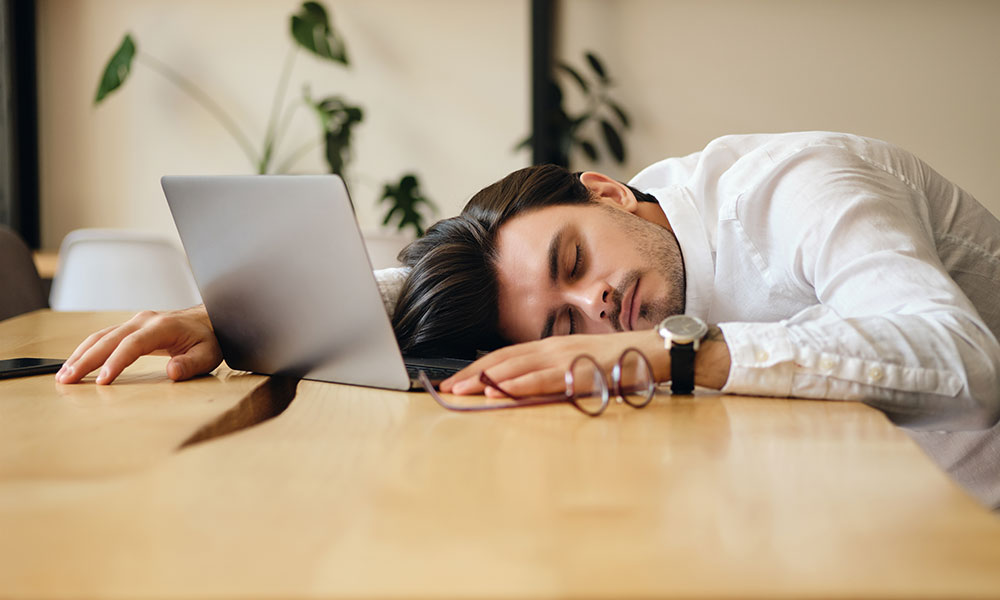
Even after the anxiety relief subsides, residual effects may linger. This happens because diazepam has a long half-life and produces active metabolites that continue working in the body.
Residual effects may include:
- Drowsiness
- Slower reaction time
- Difficulty concentrating
These lingering effects can affect daily functioning, especially tasks like driving or work that require sustained attention and quick thinking.
Functional impacts to keep in mind:
- Driving may be unsafe even if you no longer feel sedated
- Work performance can be affected by slowed thinking
- Reaction time may remain impaired
What Is Diazepam’s Half-Life?
The half-life of diazepam is the time it takes for the drug to be reduced by half in a person’s body.[1]
The half-life of diazepam ranges from 20 to 50 hours; several factors affect this timeframe. [2] Some of the factors that can affect the elimination time of diazepam from the body include:
- Age
- Liver function
- Frequency of use
- Dosing
- Concurrent use of other drugs
Active Metabolites That Extend Duration
When diazepam is metabolized, it produces active metabolites that continue to affect the central nervous system (CNS).[3] This is a key reason diazepam’s effects last longer than those of some other medications in the same class.
How Long Until Diazepam Clears the Body?
A common medical guideline is that most of a drug leaves the body after five half-lives. With diazepam, this means clearance can take several days to a few weeks.
Practical Clearance Estimates
Repeated use of diazepam leads to accumulation in tissues, which means the medication builds up faster than the body can clear it. Accumulation may prolong sedation.[5] Because individual differences vary so much, speaking with a clinician is always recommended when questions about clearance affect safety or treatment planning.
How Long Does Diazepam Stay Detectable on Drug Tests?
Detection refers to whether a test can find diazepam or its metabolites.
Detection Windows by Test Type
- Urine: detectable for 10 to 30 days, due to the presence of metabolites, longer with long-term use
- Blood: detectable for 6 to 48 hours, because the drug distributes into other tissues
- Saliva: detectable for up to 10 days
- Hair: detectable for up to 90 days
Why Detection Varies
Detection times vary due to:
- Active metabolites
- Test sensitivity and threshold for detection
- Chronic versus single use
- Body fat
Higher doses and chronic use will yield a longer detection duration than lesser or infrequent doses. Diazepam is fat-soluble, meaning it can be stored in fatty tissue and released slowly over time.[4]
As people age, the body’s ability to eliminate diazepam decreases, resulting in a longer duration and a greater physiological response to diazepam.[5]
The liver primarily metabolizes diazepam. Impaired liver function results in a significantly longer duration of action. [1]
Individuals with more body fat store diazepam and its metabolites longer than those with less body fat.
Drug Interactions and Alcohol
The potential for adverse effects from the use of diazepam increases when additional CNS depressants are used, such as alcohol or opioids. There is an increased risk of respiratory depression (shallow breathing that leads to a lack of oxygen) and accidents, including falls, especially in older people.[6]
Safety Notes: When Diazepam Duration Becomes a Risk
The signs and symptoms of excessive sedation can include:
- Inability to communicate or slurred speech
- Coordination of body movements is difficult
- Unusually lethargic/drowsy
- Confusion
What to Do if Someone Seems Overly Sedated
- An overly sedated person should not drive or operate machinery
- Seek emergency medical attention if an overly sedated person has also consumed alcohol or other sedating substances, such as opioids.
- Call 911 if an overly sedated person has shallow, infrequent breaths or other difficulty breathing
- Call 911 if the person is unconscious or has difficulty waking them up.
Diazepam Dependence, Withdrawal, and Tapering Basics
Diazepam is a Schedule IV controlled substance with low potential for abuse relative to the drugs in Schedule III.[7] Abuse of a drug in this schedule may lead to physical dependence, psychological dependence, or addiction. There is a high probability that physical dependence will develop after prolonged use.
If an individual stops diazepam after using it for an extended period of time, there will be a risk of withdrawal symptoms. Withdrawal from diazepam should be under the care of a qualified healthcare professional. The Garden provides evidence-based, comprehensive, and individualized care to clients suffering from a substance use disorder and related mental health issues through the delivery of trauma-informed therapy, group therapy, family therapy, and dual-diagnosis services.
Frequently Asked Questions
The Garden Recovery & Wellness’ Editorial Policy
The editorial policy at The Garden Recovery and Wellness is a standard all staff and contributors are committed to upholding. It’s defined by the quality, integrity, accuracy, and transparency of all resources, curriculum, and educational material produced by this organization. This standard supports an internal cause to promote recovery awareness and reduce harm in the recovery community.
Read More About Our ProcessOur Testimonials

Micheal Evans (Mike)

The Garden Recovery and Wellness is an incredible place for healing and growth. The staff truly cares, the environment is peaceful, and the support they offer makes a real difference. Highly recommend to anyone looking for a fresh start!

Damon McCrystal
The Garden is truly one of the best treatment centers in New Jersey. The staff are incredibly friendly and knowledgeable, creating a welcoming and supportive environment. One of my favorite features is the Buddha head statue—it adds a peaceful and meaningful touch to the space.

Josh Hibberd
Addiction recovery is one of the hardest journeys anyone can face, and it’s heartening to see a center so focused on genuine care and long-term healing. The compassion and professionalism shown here stand out. It’s just wonderful to see.

Daniel Eckley
Garden is a great place dedicated on helping you on your recovery journey. Staff are amazing understanding and kind. The decor makes it such a tranquil environment

Matt Cowen
Garden Recovery is a great, safe place to enroll in if you or someone you know is struggling with substance abuse. I highly recommend checking them out!!

Linda Eckley
The Garden Recovery offers those seeking recovery a well balanced treatment plan. Professional, caring and knowledgeable staff are available.

Mario J. Rivera
The Garden Recovery and Wellness provides a safe, nurturing space to heal and grow. The team is compassionate, understanding, and dedicated to helping you thrive.


© 2026 The Garden. All Rights Reserved. | Privacy Policy